

The menopause is a natural phase in every woman's life, yet it remains wrapped in uncertainty and often societal pressure. This stage, marked by hormonal fluctuations, can bring a variety of emotional and physical issues that affect daily living. Grasping menopause and its support mechanisms is crucial for women to gain confidence during this important change. From recognizing the stages of perimenopausal transition to postmenopause, this process can be navigated with the right knowledge and assistance.
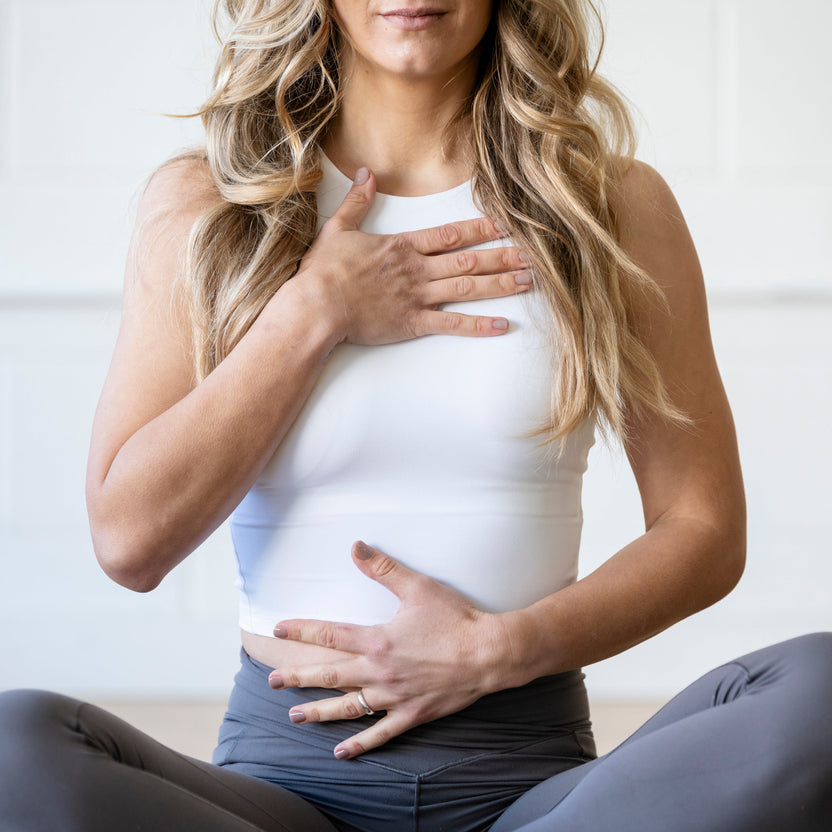
In our comprehensive guide to menopause support, we will investigate key topics such as handling typical symptoms, the advantages of HRT, and non-hormonal treatment options. We will also explore lifestyle changes that support overall wellness, including nutrition, physical activity, and mental health strategies. By illuminating every facet of this phase, we aim to empower women to accept menopause as an opportunity for reinvigoration and energy, rather than a hindrance.
Understanding The Menopause Process: Phases and Signs
The menopause is a normal biological event that signifies the end of a woman's reproductive years, defined by the stopping of menstrual cycles. It often happens between the ages of 45 and 55, but the change can begin sooner for certain females, a phase known as the perimenopause stage. In this period, hormone fluctuations begin, leading to various physical and mental shifts. Understanding these stages—the perimenopause phase, the menopause phase, and postmenopause—is essential for navigating the challenges of this existential transition.
Typical signs felt during perimenopause and menopause include sudden heat bursts, night sweats, mood swings, and sleep disturbances. These symptoms often arise due to the decline in estrogen levels, which can also impact mental functions, leading to issues like cognitive haze. The experience of the menopause phase is individual for every female, as the intensity and duration of signs can differ greatly, making it essential to deal with this change with mindfulness and support.
The postmenopause phase refers to the years that follow the menopause phase, during which signs may stabilize or continue as hormonal amounts settle into a different normal. While certain females experience relief from severe symptoms, extended health considerations begin to arise, especially concerning bone health, heart health, and emotional health. Identifying and addressing these signs in the early stages helps in handling the menopause effectively and enables females to accept their wellness throughout this important phase of life.
Treatment Options: Hormone-Based and Non-Hormonal Approaches
For females navigating menopause, treatment options can be categorized as hormonal and alternative approaches, each offering unique benefits and considerations. Hormone Replacement Therapy remains a prominent choice for many, as it successfully alleviates common symptoms such as flash symptoms, night sweats, and mood swings by increasing estrogen and, in some cases, progesterone. For those considering HRT, comprehending the different types available, such as overall estrogen versus targeted treatments, is crucial. While HRT can significantly improve quality of life, it is essential to discuss any potential risks with a healthcare provider to determine individual candidacy.
On the other hand, alternative treatments provide meaningful alternatives for women who would rather not to use hormones or face contraindications. Medicinal options like fezolinetant, antidepressants, and gabapentin have shown effectiveness in managing vasomotor symptoms avoiding the hormonal approach. Additionally, vaginal moisturizers and personal lubricants are readily available over-the-counter solutions that can alleviate discomfort associated with dryness, enhancing intimacy and overall well-being. Women should work with their healthcare provider to evaluate which non-hormonal strategies fit their individual needs and lifestyle.
Beyond hormone-based and alternative prescriptions, lifestyle modifications and complementary therapies play a significant role in managing menopause symptoms. Dietary adjustments, such as incorporating phytoestrogen-rich foods and maintaining a balanced diet like the Mediterranean diet, can help alleviate issues and promote overall health. Furthermore, engaging in menopause support in the workplace , including strength training and resistance workouts, aids metabolic shifts and preserves muscle mass, which is particularly important during this transition. Implementing stress reduction and mindfulness techniques can also contribute to emotional stability and clarity, empowering women to navigate menopause with confidence and resilience.
Lifestyle Adjustments: Diet, Exercise, and Emotional Well-Being
Diet plays a pivotal role during menopause, as dietary choices can significantly impact symptoms and overall well-being. Incorporating a Mediterranean diet rich in fresh fruits, vegetables, whole grains, and healthy fats can help manage weight and promote heart health. Foods high in phytoestrogens, such as flaxseeds and soy foods, may also provide some symptom relief by mimicking estrogen in the body. Additionally, ensuring adequate intake of calcium and vitamin D is crucial for maintaining bone density and preventing osteoporosis as hormone levels fluctuate.
Exercise is equally important, as regular physical activity can help alleviate many menopause-related issues. Strength training and resistance training are particularly beneficial for preserving lean muscle mass and improving metabolism. Engaging in targeted exercises not only combats weight management issues but also supports cardiovascular health. Incorporating activities like aqua jogging, swimming, or mindful movement can enhance mood and reduce stress levels, further supporting mental clarity and emotional resilience during this transition.
Emotional well-being should be prioritized as well, given the emotional challenges that often accompany menopause. Techniques such as CBT can address mood swings and anxiety, providing tools to cope with hormonal changes. Practicing mindful techniques and relaxation methods can cultivate a sense of calm and help manage daily pressures. By focusing on nutrition, exercise, and mental well-being, women can navigate menopause with increased empowerment and a renewed sense of vitality.